


Here's the logic that makes perfect sense: your skin is oily and breaking out, so adding more moisture will make it worse. You've seen what happens when you use heavy creams, more congestion, more breakouts, more frustration. So you skip the moisturiser entirely, relying on your acne treatments to do the work. Your skin feels tight and dry, but at least you're not feeding the problem, right?
Except your breakouts aren't improving. They're healing slower, new ones keep appearing, and your skin looks angry and inflamed. The treatments that should be clearing your acne seem to be making everything more sensitive. You're caught between treating the acne and keeping your skin comfortable, like you have to choose one or the other. But what if the reason your acne isn't healing is precisely because you're skipping that moisturiser step? What if the barrier damage from avoiding hydration is actually making your breakouts worse?
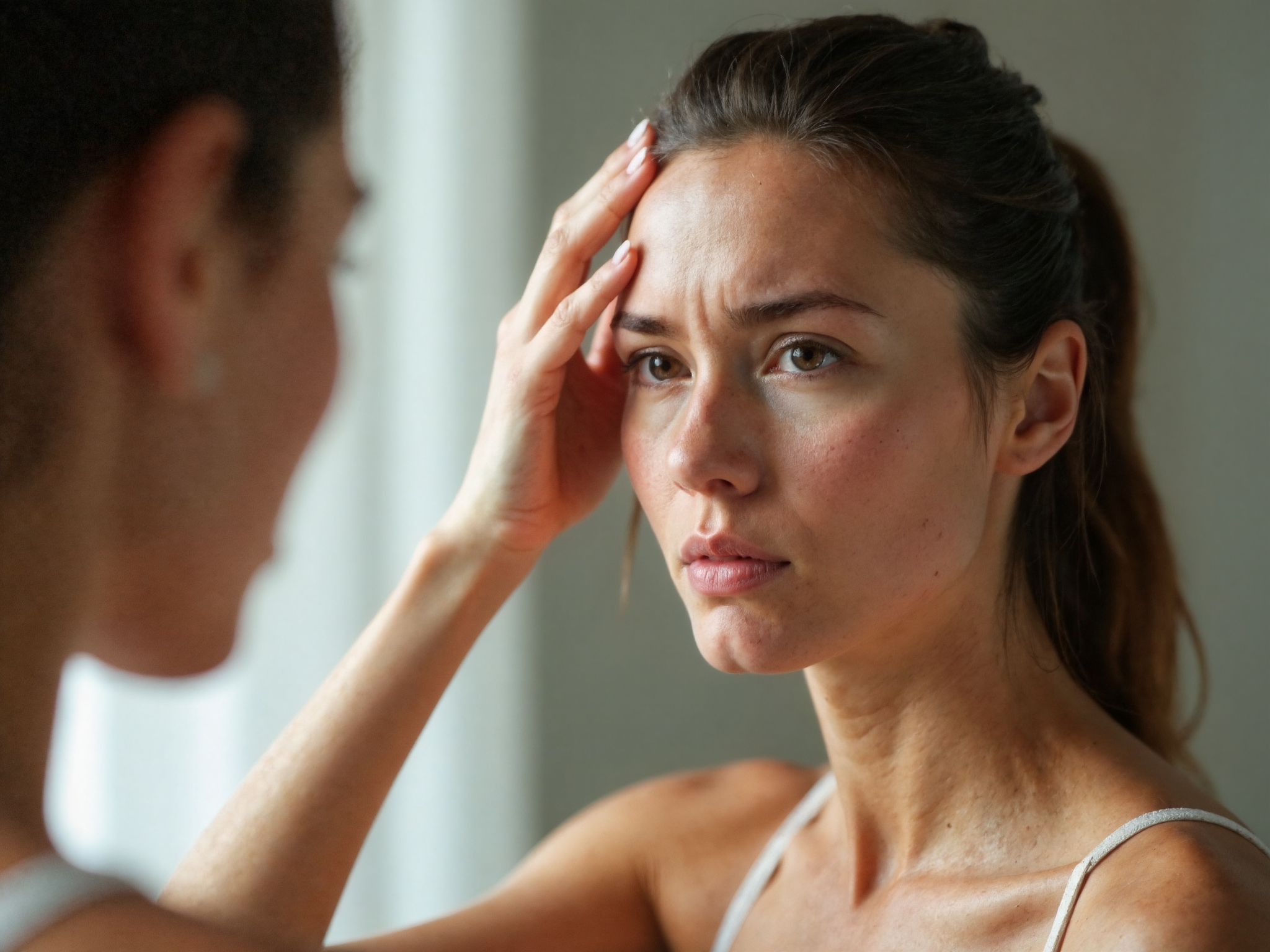
Why You're Terrified of Moisturiser (And Why That Makes Sense)
Let's acknowledge this upfront: your fear of moisturiser isn't irrational. You've likely felt the suffocating feeling of heavy creams sitting on already-congested skin. You've seen the tiny bumps multiply after using something too rich. The beauty industry has spent decades telling you that oily, acne-prone skin needs to be dried out, stripped clean, mattified. So when your skin is breaking out, adding moisture feels counterintuitive, like throwing petrol on a fire.
The fear of clogging pores is real and valid. Many traditional moisturisers are formulated with occlusive ingredients that trap oil and bacteria beneath the surface, creating the perfect environment for breakouts. If you've been burned by these products before, of course you're hesitant to try again. Add to that the fact that most acne treatments, retinoids, salicylic acid, benzoyl peroxide, are inherently drying. They work by increasing cell turnover and reducing oil production, which leaves your skin feeling tight, flaky, and uncomfortable.
So you're faced with what feels like an impossible choice: treat the acne and deal with the dryness, or moisturise and risk more breakouts. It seems like you can't have both effective acne treatment and comfortable, hydrated skin. But this is a false choice, created by outdated thinking about how acne actually works. The truth is more nuanced, and more hopeful, than the either/or scenario you've been living with.
Key Takeaways
- If you're avoiding moisturiser because you fear it'll worsen acne, you're not alone, but you're also missing the key to healing.
- Acne treatments compromise your skin's barrier, and a damaged barrier can't defend against bacteria or calm swelling.
- The result?
- Slower healing, more breakouts, and a cycle that keeps you stuck.
- A lightweight, barrier-supporting moisturiser isn't optional, it's essential.

How Barrier Damage Makes Acne Worse (Not Better)
Here's what's actually happening when you skip moisturiser while using acne treatments: you're compromising your skin's barrier function. Your skin barrier is the outermost layer of your skin, a complex structure of cells held together by lipids (fats) that acts as your first line of defence against bacteria, irritants, and environmental stressors. When this barrier is intact and healthy, it keeps the bad stuff out and the good stuff in.
Acne treatments, by their very nature, disrupt this barrier. Retinoids accelerate cell turnover, which means your skin is shedding faster than it can rebuild. Salicylic acid dissolves the bonds between cells, creating micro-openings in your barrier. Benzoyl peroxide oxidises and dries everything it touches. These mechanisms are exactly why these ingredients work for acne, but they also leave your barrier at risk and compromised.
When your barrier is damaged, several things happen that actually worsen acne. First, a compromised barrier can't well keep acne-causing bacteria out. The very bacteria you're trying to eliminate (like C. acnes) can reach more easily through a weakened barrier, establishing themselves deeper in your pores. Second, barrier damage triggers an causing swelling response. Your skin recognises the breach and sends causing swelling signals to defend itself, but this swelling makes existing breakouts redder, more painful, and slower to heal.
Third, and perhaps most frustratingly, barrier damage slows the entire healing process. Your skin is too busy trying to repair its protective barrier to well heal the breakouts underneath. You end up with acne that lingers for weeks instead of days, post-causing swelling marks that take months to fade, and a cycle where new breakouts appear before old ones have fully resolved. The drying approach doesn't just feel uncomfortable, it's actively working against your healing.
Research published in the Journal of Clinical and Aesthetic Dermatology found that patients using acne treatments alongside barrier-supporting moisturisers felt faster improvement and less irritation than those using treatments alone. The moisturiser wasn't diluting the treatment's effectiveness, it was creating the conditions for better healing.
The Barrier-Healing Connection You're Missing
A strong, intact barrier isn't a luxury when you have acne, it's essential for healing. Think of your barrier like the walls of a fortress. When the walls are strong, they keep invaders out and protect what's inside. When they're crumbling, everything becomes at risk. Your acne treatments are the soldiers fighting the battle, but they need strong walls to be effective.
An intact barrier keeps acne-causing bacteria on the surface where they can be washed away, rather than allowing them to reach into pores where they trigger swelling. It regulates the causing swelling response, preventing the overreaction that turns a small blockage into a large, painful cyst. It maintains proper hydration levels, which keeps dead skin cells shedding normally instead of clumping together and clogging pores.
Here's where the confusion happens: non-comedogenic doesn't automatically mean barrier-supporting. Many products marketed for acne-prone skin are non-comedogenic (they won't clog pores), but they don't actively support barrier repair. They're neutral at best, not making things worse, but not making them better either. What acne-prone skin actually needs is a moisturiser that's both non-comedogenic and barrier-repairing, with ingredients that strengthen the skin's structure while fighting bacteria.
I've seen this shift countless times in the treatment room. A client comes in frustrated that their acne treatments aren't working, their skin is red and sensitive, and they're avoiding moisturiser because they're afraid. We introduce a lightweight, barrier-supporting formula, and within weeks, their existing breakouts heal faster, new ones appear less often, and their skin can actually tolerate their acne treatments without constant irritation. The treatments haven't changed, the skin's ability to respond to them has.

The Lightweight Antimicrobial Solution Your Skin Actually Needs
So what does a barrier-supporting moisturiser for acne-prone skin actually look like? It needs to do three things at once: strengthen the barrier, fight bacteria, and feel weightless on the skin. This is where formula matters enormously, not all moisturisers are created equal, and the wrong one will absolutely make acne worse.
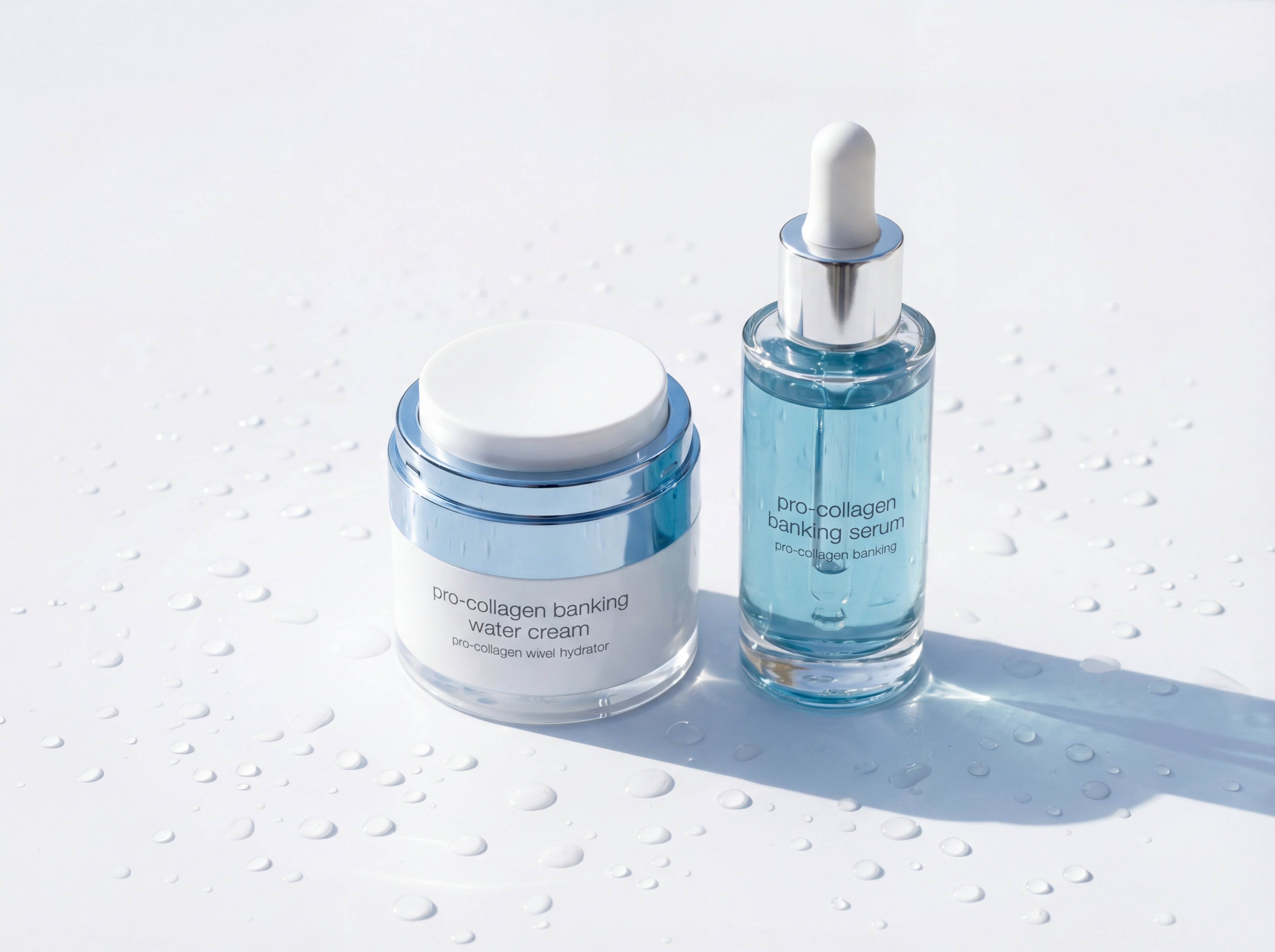
The Pro-Collagen Banking Serum works as your first layer of barrier defence. Its lightweight protective formula protects against the oxidative stress that both triggers acne and damages your barrier during the healing process. Think of it as creating a protective shield that allows your skin to focus on healing rather than constantly defending against environmental assault. It absorbs instantly, leaving no residue that could trap oil or bacteria.
The Pro-Collagen Banking Water Cream is where the real barrier magic happens. This is the moisturiser step you've been avoiding, but it's formulated just for skin that breaks out. The water-gel texture feels like nothing on your skin, yet it delivers serious barrier-supporting ingredients: niacinamide to calm swelling and regulate oil production, hyaluronic acid to hydrate without weight, and crucially, antimicrobial peptides that actively fight acne-causing bacteria while you moisturise.
This is the key difference: you're not just adding moisture and hoping it doesn't cause breakouts. You're actively supporting your barrier's ability to defend against the bacteria that cause acne in the first place. The lightweight texture means it won't suffocate your skin or trap oil in your pores. The antimicrobial action means it's working with your acne treatments, not against them.
Timeline matters here. In the first week, you'll likely notice your skin feels more comfortable, less tight, less reactive to your acne treatments. By week three to four, you should see existing breakouts healing faster and with less post-causing swelling marking. By six to eight weeks, the frequency of new breakouts typically decreases as your barrier strengthens and becomes more effective at keeping bacteria out. This isn't overnight transformation, it's steady, sustainable improvement built on barrier health.
If you're still hesitant about adding moisture because you're worried about hydration versus barrier support, this article breaks down what your skin actually needs beyond basic hydration. Understanding the difference between adding water and supporting your barrier structure can shift how you think about moisturiser entirely.
Ready to heal your acne without fear of breakouts? Discover the Pro-Collagen Banking approach that supports your barrier while fighting bacteria, because you shouldn't have to choose between treating acne and keeping your skin comfortable.
The fear of moisturiser when you have acne isn't unfounded, it's based on real experiences with the wrong formulas. But avoiding moisture altogether isn't protecting your skin from breakouts; it's preventing it from healing. Your barrier is your skin's first defence against the bacteria that cause acne, and acne treatments compromise that defence by design. Without barrier support, you're fighting a losing battle.
The solution isn't choosing between treating acne and keeping your skin comfortable. It's understanding that barrier support is acne treatment, just as essential as your active ingredients. A lightweight, antimicrobial moisturiser that strengthens your barrier while fighting bacteria gives your skin what it actually needs to heal: protection, hydration, and the structural support to defend itself. You don't have to live with the tightness, the sensitivity, and the slow healing. You just need the right approach.


