


You've likely heard about collagen breakdown. UV damage. Free radicals. The usual suspects when it comes to skin ageing. But there's another process happening beneath your skin's surface that almost nobody talks about, yet it's responsible for some of the most frustrating signs of ageing - the loss of bounce, the yellowing tone, the way fine lines seem to deepen overnight.
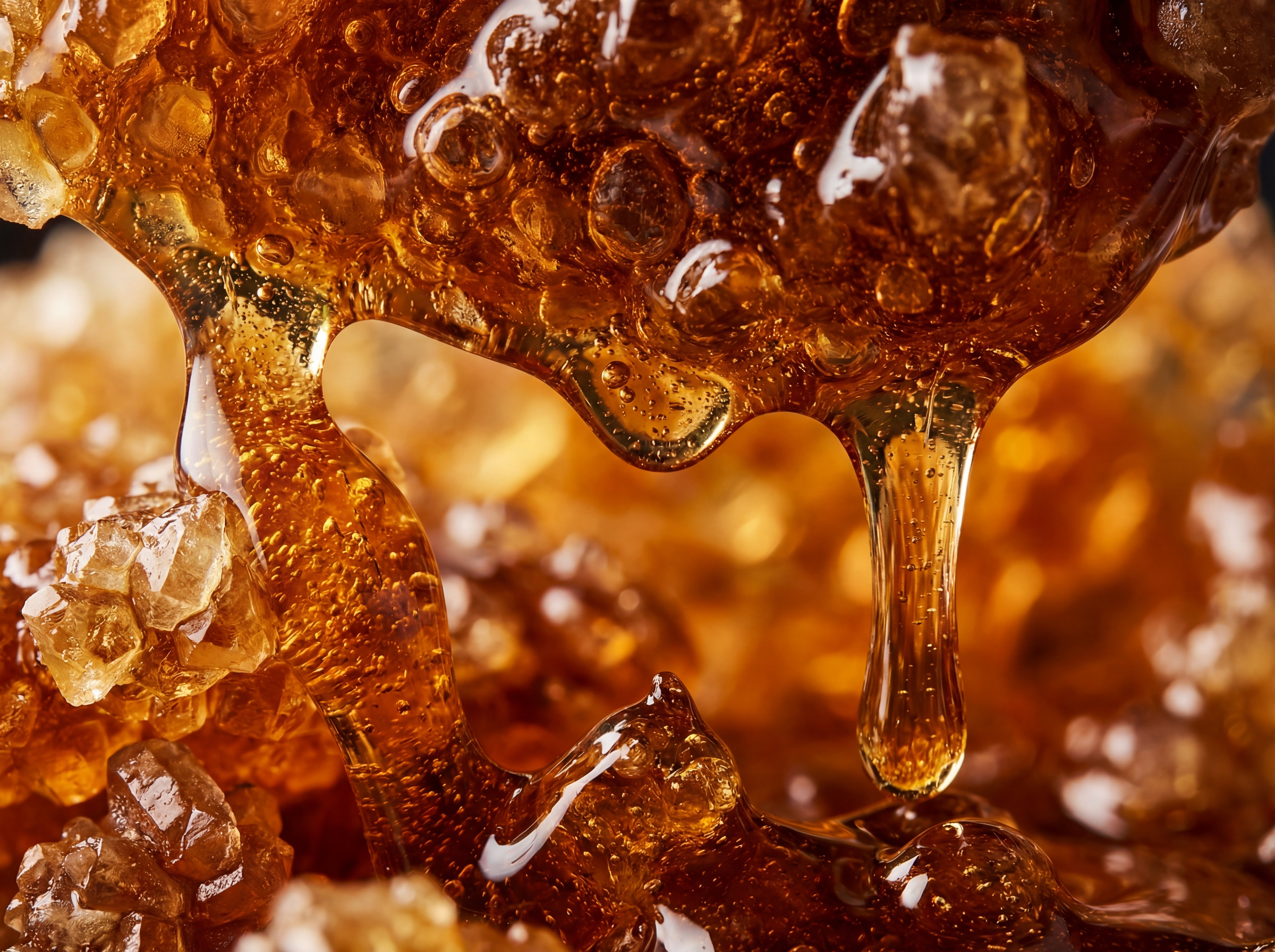
It's called glycation, and it's been quietly stiffening your collagen for years. Unlike the breakdown processes you're familiar with, glycation doesn't destroy collagen - it transforms it into something rigid and dysfunctional. Think of it as caramelising your skin's support structure from the inside out. And here's what makes it especially frustrating: most skincare routines don't address it at all.
What Glycation Actually Is (And Why It's Invisible Until It's Not)
Glycation sounds technical, but the chemistry is surprisingly straightforward. When sugar molecules in your bloodstream encounter proteins in your skin - especially collagen and elastin - they bind together in a process that doesn't require any enzymes or energy. It just happens spontaneously, like rust forming on metal.
This binding creates compounds called AGEs (Advanced Glycation End-products), and the name is painfully accurate. These molecules build up in your skin over time, cross-linking collagen fibres and making them stiff and inflexible. Your collagen is still there - it's just been basically changed at a molecular level.
Here's why glycation stays invisible for so long: unlike swelling or UV damage, which trigger immediate visible responses, glycation is cumulative. It builds slowly, year after year, until one day you look in the mirror and notice your skin has lost that plump, bouncy quality it used to have. The fine lines around your eyes seem deeper. Your complexion looks slightly yellowed or dull, even when you're well-rested.
What makes glycation especially insidious is that it's different from collagen breakdown. When UV rays or natural ageing break down collagen, your skin can theoretically rebuild it with the right support. But glycated collagen? That's damaged at a structural level. Your body recognises these AGEs as abnormal and tries to remove them, but the process is slow and becomes less efficient with age. Meanwhile, the glycated collagen that remains creates a rigid scaffold that can't support your skin the way healthy collagen does.
This is why glycation is often called the 'invisible' ageing process. By the time you see the effects, it's been happening for years. And unlike other types of damage, where you might notice improvement once you address the cause, reversing glycation requires both stopping new AGEs from forming and supporting your skin's slow process of clearing existing ones.
Key Takeaways
- Glycation is a hidden ageing process where sugar molecules bind to collagen proteins in your skin, forming harmful compounds called AGEs (Advanced Glycation End-products).
- Unlike collagen breakdown from UV or time, glycation makes your existing collagen stiff and rigid, leading to loss of bounce, yellowing, deepening fine lines, and a tired appearance.
- This process accelerates from your late 30s onwards, driven by blood sugar levels, stress, and swelling.
- Carnosine dipeptide acts as a sacrifi...
Why Glycation Accelerates From Your Late 30s Onwards
If glycation has been happening since your twenties, why does it suddenly seem to accelerate in your late 30s and beyond? The answer lies in a perfect storm of biological changes that all converge around this life stage.
Blood sugar regulation becomes less efficient as we age. Your cells become slightly more resistant to insulin, meaning glucose stays in your bloodstream longer, giving it more opportunity to bind with collagen. Even if your diet hasn't changed, your body's ability to clear sugar from your blood has. This is one reason why skin ageing often seems to accelerate faster than you'd expect from time alone.
Then there's stress and cortisol. Cortisol raises blood sugar levels - it's part of your fight-or-flight response, mobilising energy for your body to use. But chronic stress means chronically elevated cortisol, which means consistently higher blood sugar, which means more glycation. I see this pattern constantly in my treatment room: women in demanding careers or high-stress life phases whose skin seems to age faster than their chronological years would suggest.
swelling acts as an accelerant for glycation. When your skin is inflamed - from UV exposure, pollution, poor sleep, or even from using harsh products - it creates an environment where glycation happens more readily. swelling also impairs your skin's ability to clear AGEs once they've formed, creating a vicious cycle.
And here's the dietary connection nobody wants to hear: high-glycaemic foods don't just spike your blood sugar for now. They create repeated opportunities for glycation throughout the day. That mid-afternoon biscuit, the white toast at breakfast, the pasta dinner - each one sends a wave of glucose through your bloodstream, and some of it will inevitably encounter your collagen.
This doesn't mean you need to eliminate sugar entirely (unrealistic and unnecessary), but it does explain why skin ageing seems to accelerate in your late 30s even when you feel like you're doing everything right with your skincare. Your internal environment has shifted in ways that make glycation more likely, more frequent, and more visible.
The Visible Effects: What Glycation Actually Looks Like on Your Skin
Glycation has a distinct signature on your skin, though it's often mistaken for 'just ageing.' Once you know what to look for, you'll recognise it right away.
The most telling sign is loss of bounce and elasticity. When you press your finger gently into your cheek, healthy skin springs back right away. Glycated skin hesitates. It feels slightly stiff, less pliant. This isn't about loose skin or sagging from gravity - it's about the quality of the tissue itself. The collagen has become rigid, like overcooked pasta instead of al dente.
Yellowing and dullness are classic glycation markers. AGEs are literally brownish-yellow in colour, and as they build up in your skin, they create a subtle but noticeable shift in your complexion. You might find yourself reaching for brighter makeup or wondering why your skin looks tired even when you've slept well. It's not fatigue - it's the colour of glycated proteins showing through.
Fine lines around your eyes and mouth seem to deepen more quickly than you'd expect. This happens because glycated collagen can't support your skin's movements the way flexible, healthy collagen does. Every smile, every squint creates a fold in tissue that's lost its resilience. The lines don't just appear - they set in, becoming more pronounced with each passing month.
There's also what I call the 'tired appearance' that doesn't match how you feel. Your skin looks flat, slightly grey-toned, lacking that subtle luminosity that comes from healthy, well-structured tissue. Light doesn't reflect off your skin the way it used to because the surface texture has changed at a microscopic level.

How to Actually Stop Glycation (The Missing Step in Your Routine)
Here's the frustrating truth: most anti-ageing routines completely miss glycation. You might be using retinol to boost collagen production, vitamin C for protective protection, and peptides to support skin structure - all valuable - but none of them just address the sugar-protein binding that's stiffening your collagen from within.
This is where carnosine dipeptide becomes essential. Carnosine works as a sacrificial molecule - it intercepts sugar molecules before they can bind to your collagen. Think of it as a decoy that sugar binds to instead of your precious structural proteins. The sugar-carnosine compounds are then safely cleared from your skin, protecting your collagen from glycation damage.
The science here is elegant: carnosine has protein-like binding sites that sugar molecules preferentially attach to. By flooding your skin with carnosine through topical use, you create a protective buffer. The sugar molecules encounter carnosine first and bind to it instead of seeking out your collagen. This doesn't reverse existing AGEs (that's a much slower process your body handles internally), but it prevents new glycation from occurring.
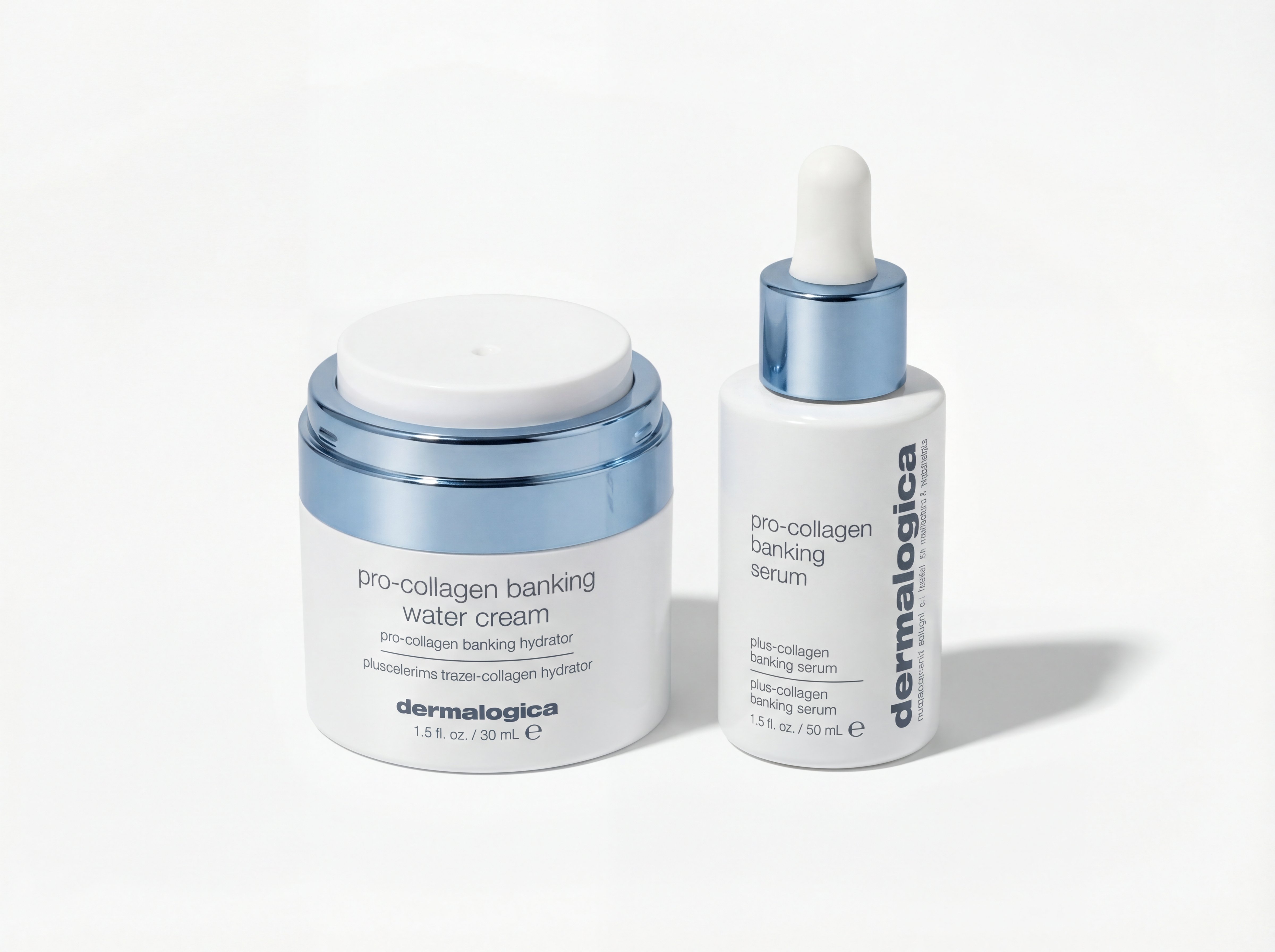
The Pro-Collagen Banking Serum delivers carnosine dipeptide in a concentrated, bioavailable form designed to reach where glycation occurs. You apply it before your moisturiser, giving your skin that protective buffer throughout the day and night. This is especially crucial if you're dealing with stress, blood sugar fluctuations, or simply entering that late-30s phase where glycation naturally accelerates.
The Pro-Collagen Banking Water Cream then supports this protection by maintaining best hydration and barrier function. Well-hydrated skin with a healthy barrier is more resilient to all types of damage, including glycation. The cream also contains ingredients that support your skin's natural repair processes, helping it slowly clear existing AGEs while the serum prevents new ones from forming.
This combination addresses what's missing from most routines: targeted glycation prevention. You're not just building new collagen (important) or protecting against UV and free radicals (also important) - you're just preventing the sugar-induced stiffening that ages your skin in that distinctive, 'tired' way.
Timeline-wise, you'll notice changes in stages. Within 4-6 weeks, skin texture often improves - that stiff, rigid feeling starts to soften slightly. By 8-12 weeks, many people notice their complexion brightening as new, non-glycated skin cells replace older ones. The deepening of fine lines tends to slow or stabilise rather than continuing to progress. By six months, you're looking at meaningful preservation of your collagen's flexibility and function.
If you're also dealing with existing collagen breakdown from UV or natural ageing, pairing this glycation-prevention approach with collagen-building actives like retinol creates a complete strategy.

Glycation is one of those ageing processes that seems unfair - it's happening beneath your skin's surface, driven partly by factors you can't completely control, and most skincare routines don't address it at all. But understanding it changes everything. Suddenly, that loss of bounce, the yellowing tone, the way your fine lines seem to deepen faster than expected - it all makes sense.
The good news is that targeted protection works. Carnosine dipeptide gives your skin a fighting chance against sugar-induced stiffening, preserving your collagen's flexibility and function in ways that traditional anti-ageing ingredients simply can't. It's not about reversing decades of glycation overnight - it's about stopping the process now and giving your skin the support it needs to maintain that bounce, clarity, and resilience you remember.
If you've been doing everything 'right' with your skincare but still noticing these specific signs of ageing, glycation is likely the missing piece. And now you know exactly what to do about it.


